Made in Chenlu.
Shaped for Today.
Ceramic development and production for hospitality, tea brands, designers and professional projects — from existing forms to custom collections.
Built Around
Different Projects.
We work with hospitality teams, tea brands, designers and cultural partners to develop ceramics around specific functions, spaces, identities and production requirements.
Ceramics That Become
Part of the Brand.
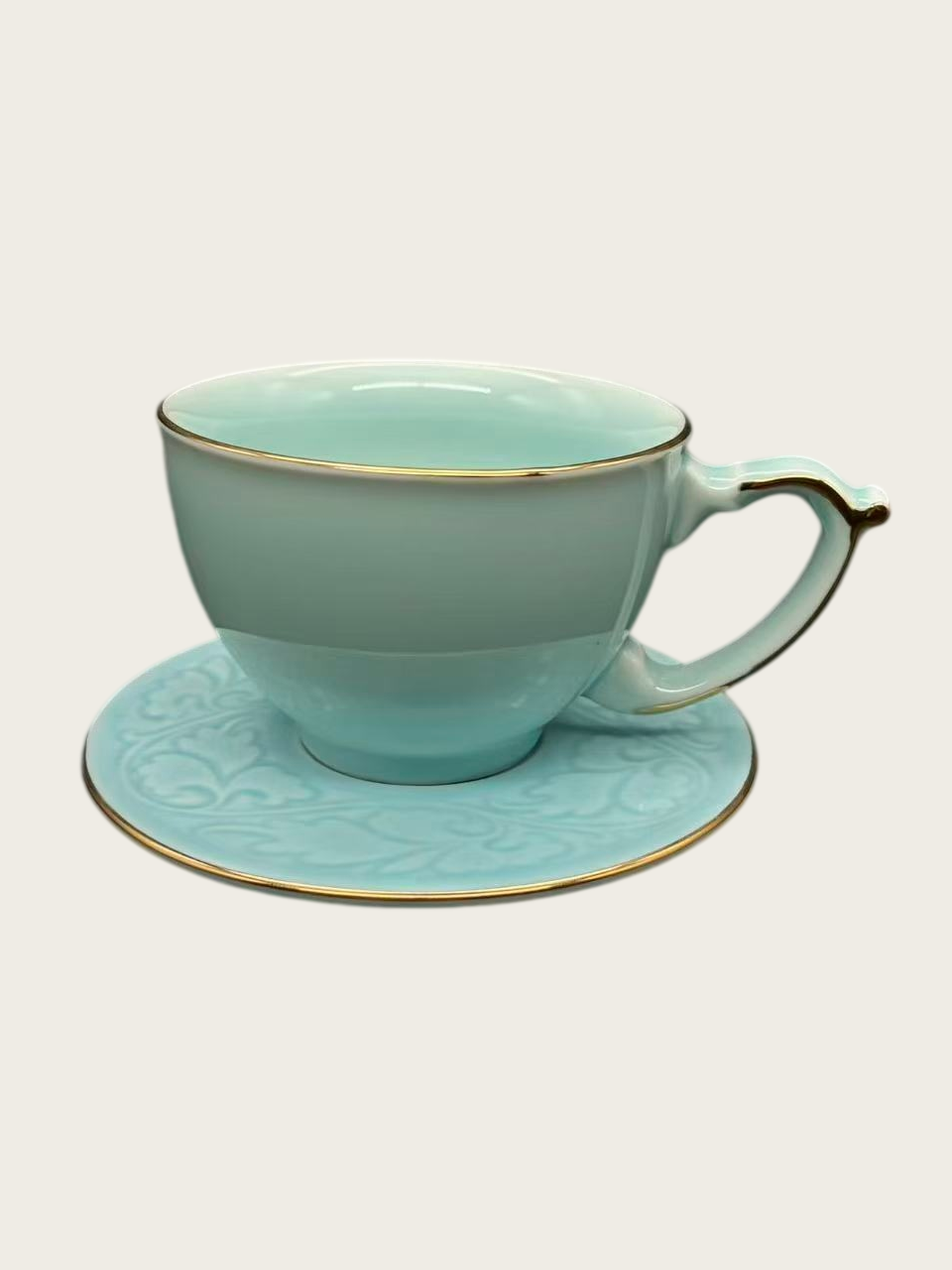
Develop tea ware through existing forms or custom development, with decisions around proportion, surface, branding, packaging and use.
For Tea Brands
Made for the Way
a Space Works.
Tableware and ceramic objects developed around service requirements, interior direction, durability, scale and the needs of the hospitality project.
For Hospitality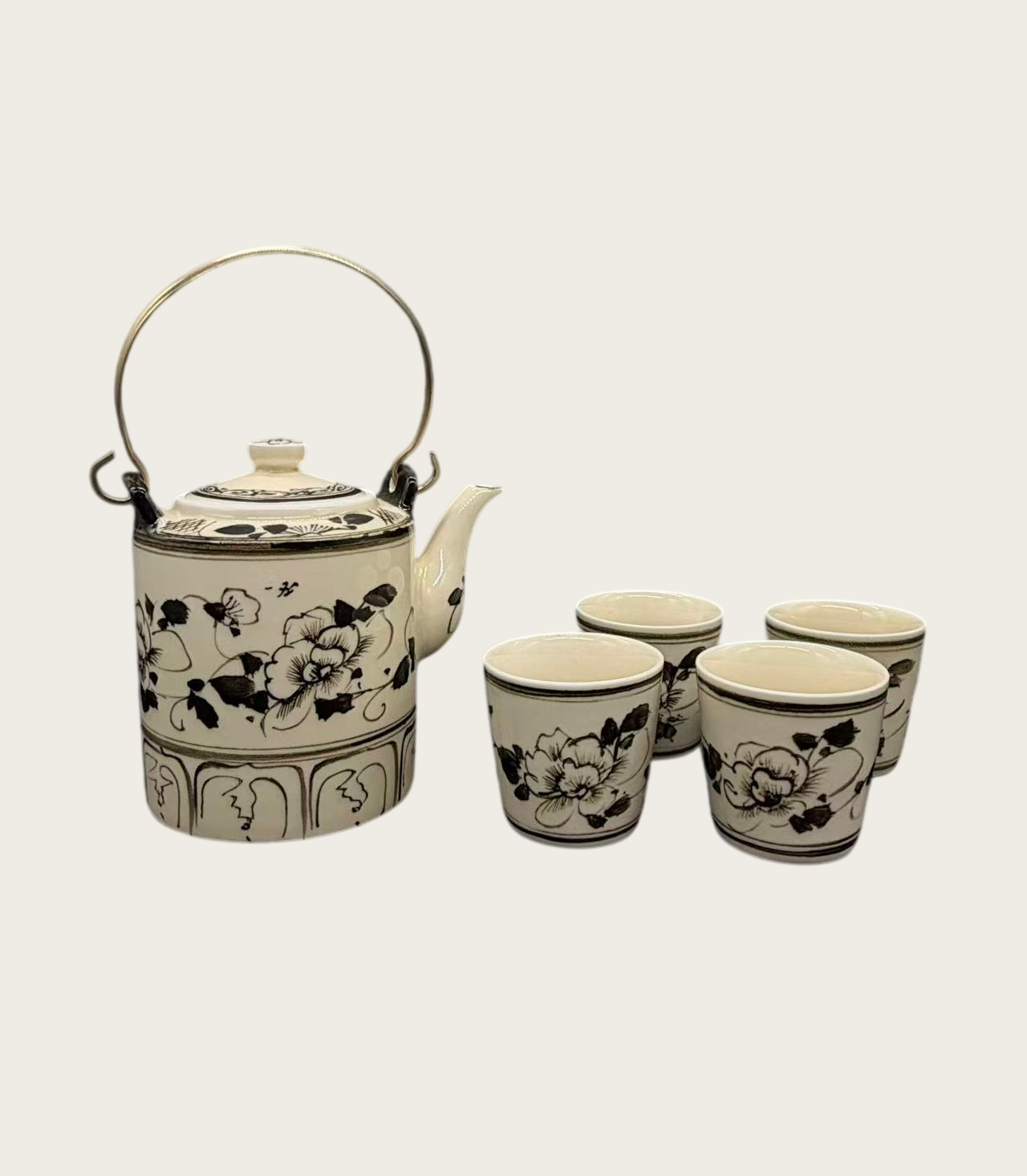
Developed Around
the Project.
Work with form, proportion, material and finish to develop ceramics around a specific design direction, from prototype through production.
For Designers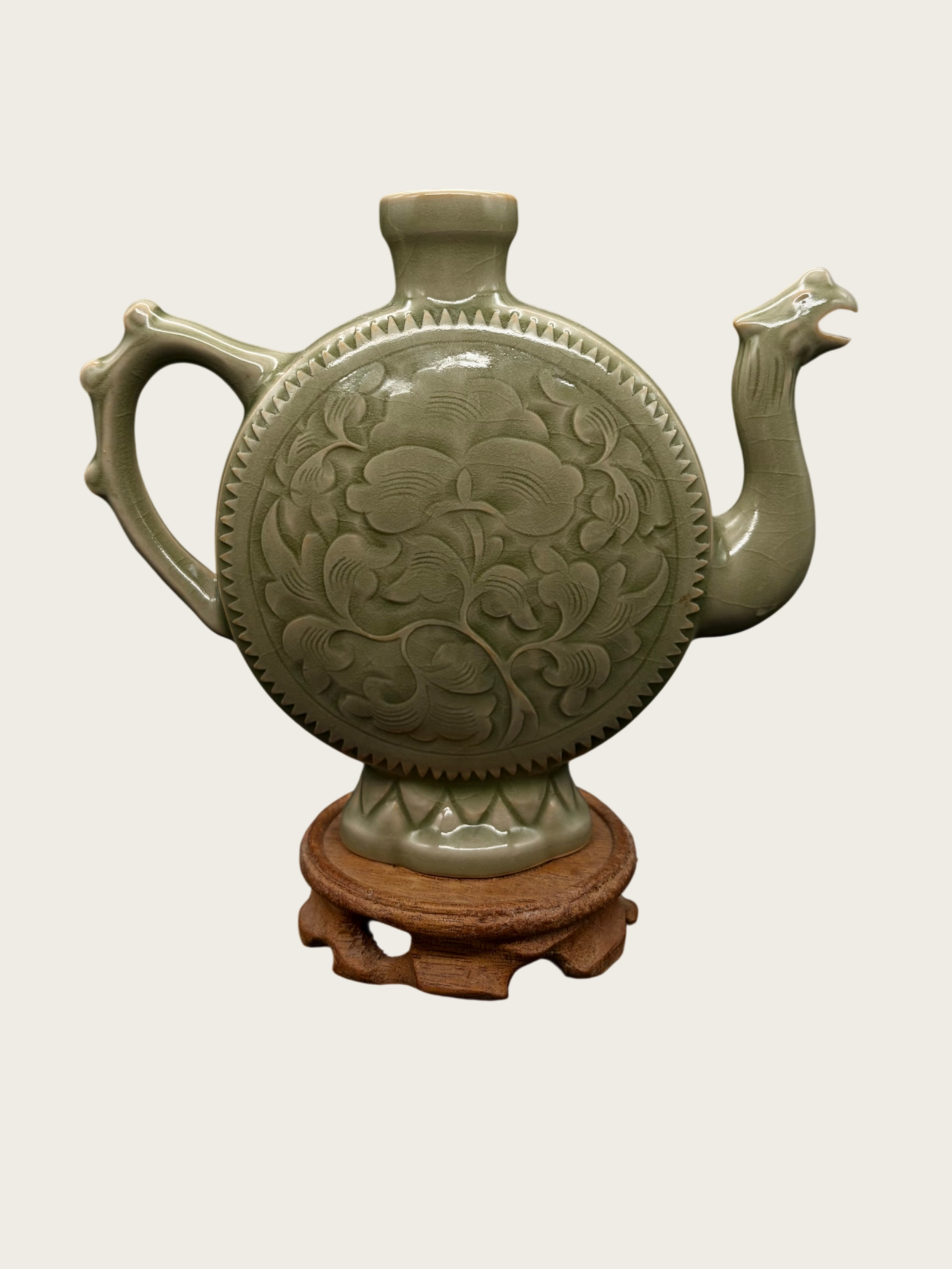
Ideas Made
Tangible.
We collaborate with brands, studios and cultural partners to translate a clear creative direction into ceramic form.
Explore Custom
Forms for
Projects and Places.
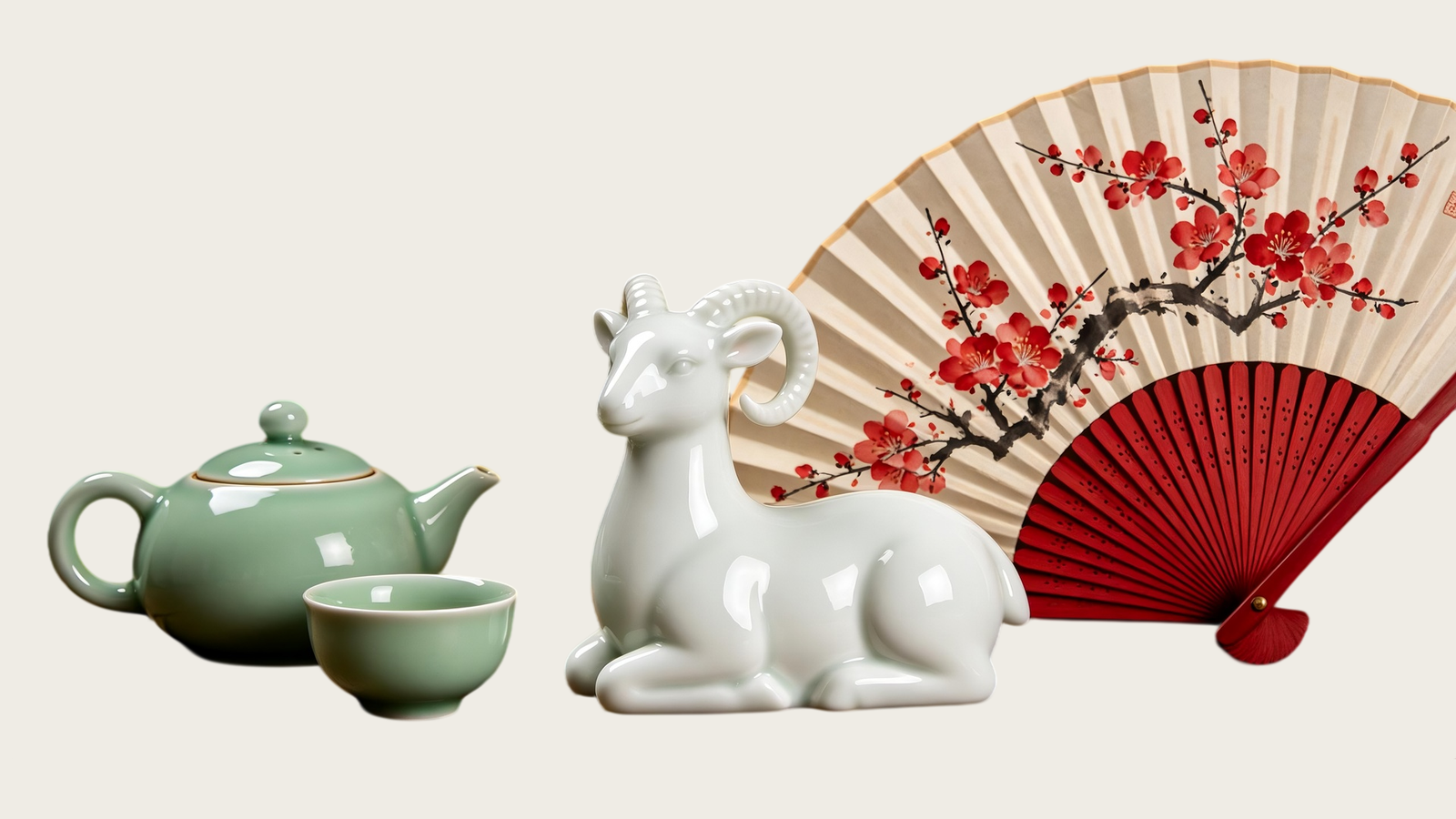
Explore existing Chenlu forms across tableware, tea ware and ceramic objects — available for professional sourcing, adaptation and project development.
Explore All Products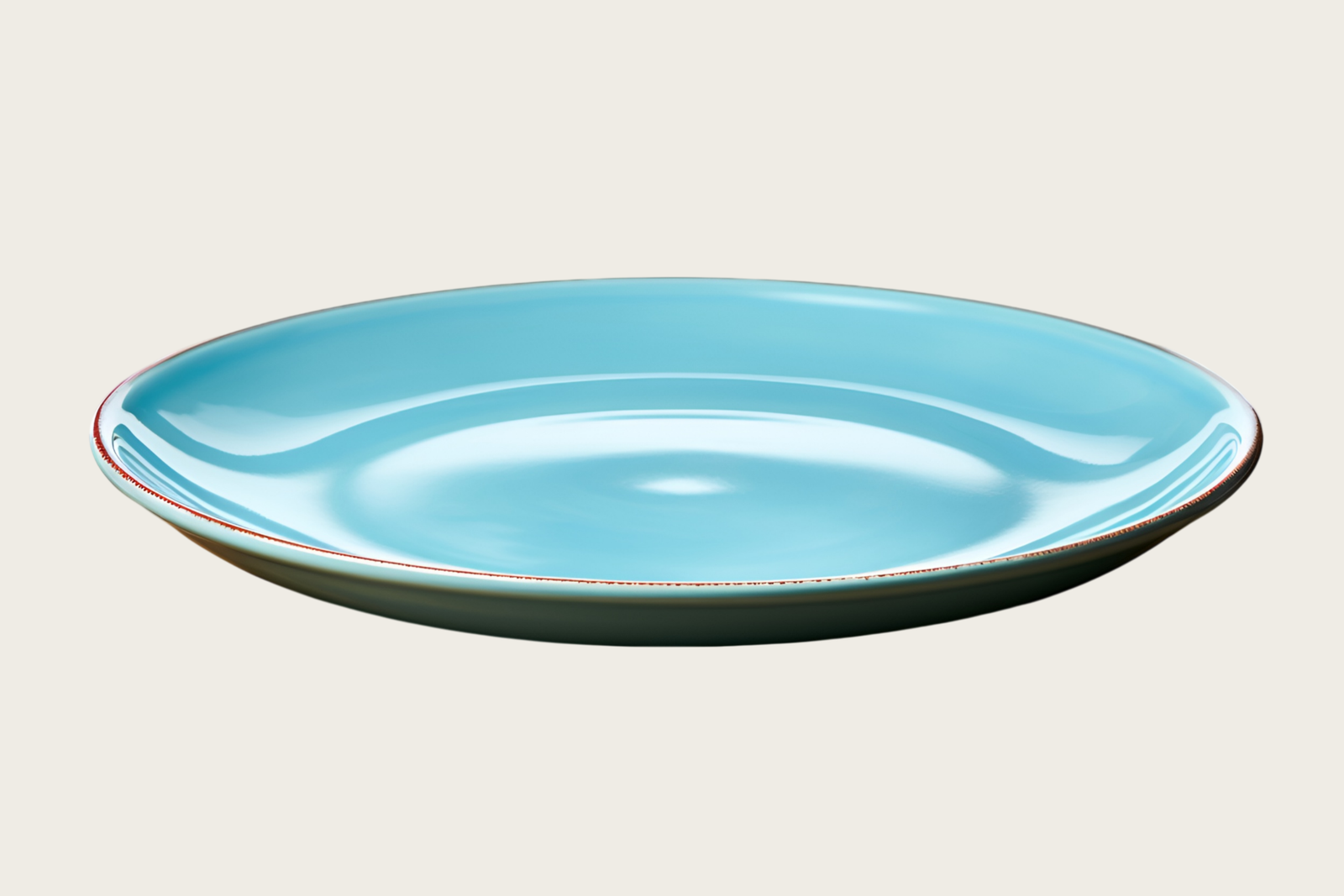
Forms for the Table.
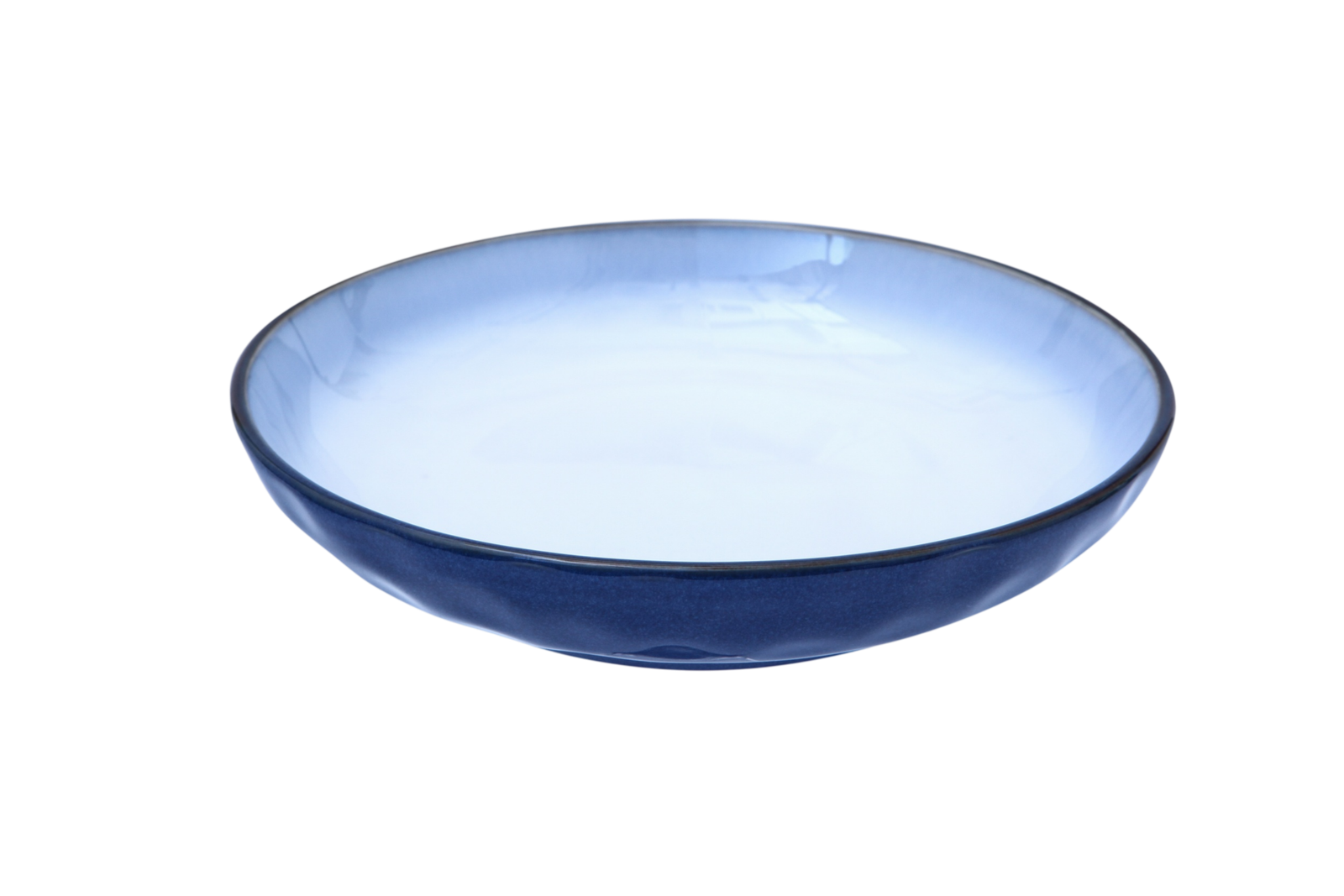
Made Around Use.
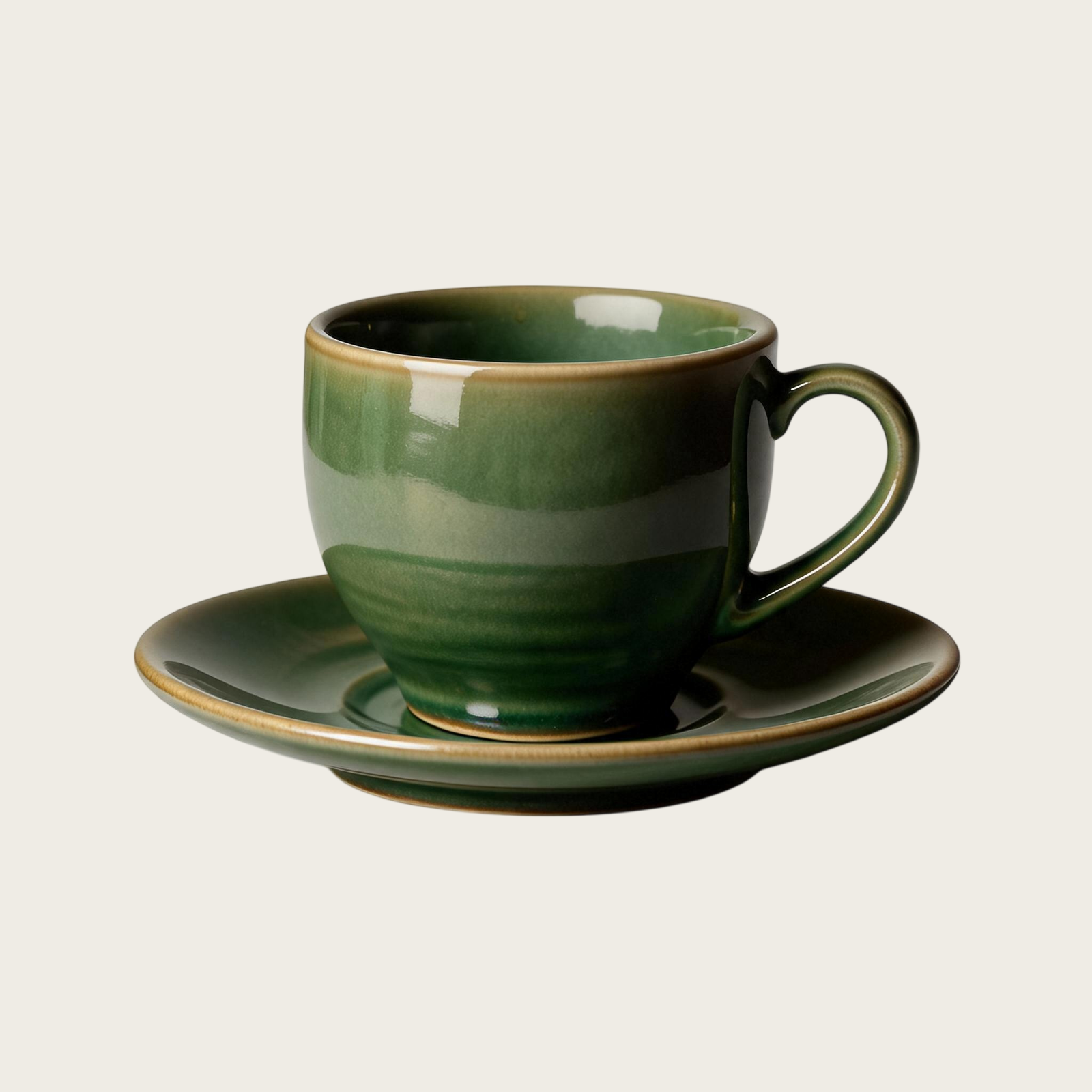
Made to Be Held.
Beyond the Table.
Because Place
Still Matters.
Ceramics can be made almost anywhere. What cannot be reproduced so easily is the knowledge of a place — its materials, its methods, its makers, and the habits formed through generations of practice.
Chenlu is one of those places.

A Living Kiln Town.
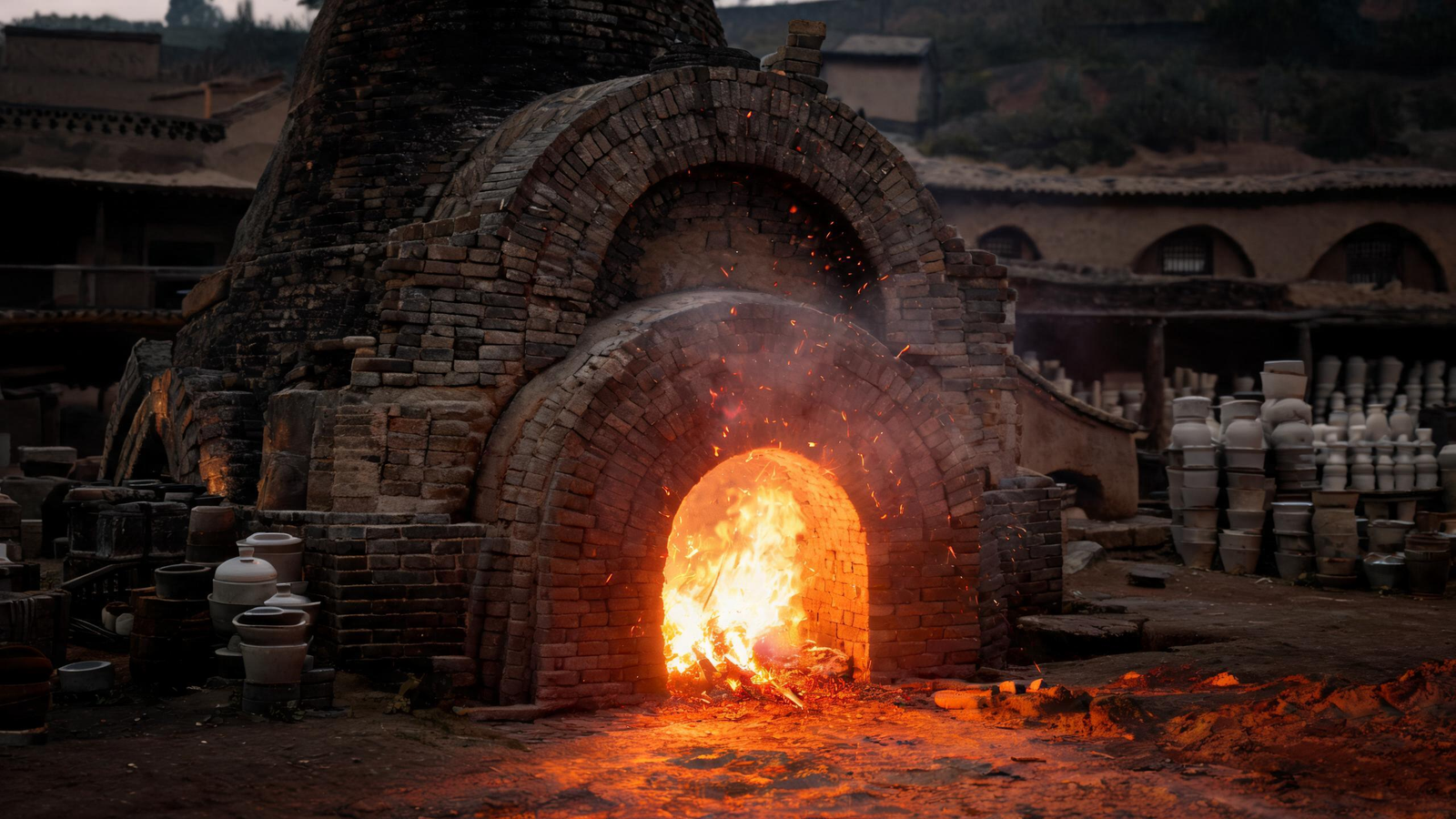
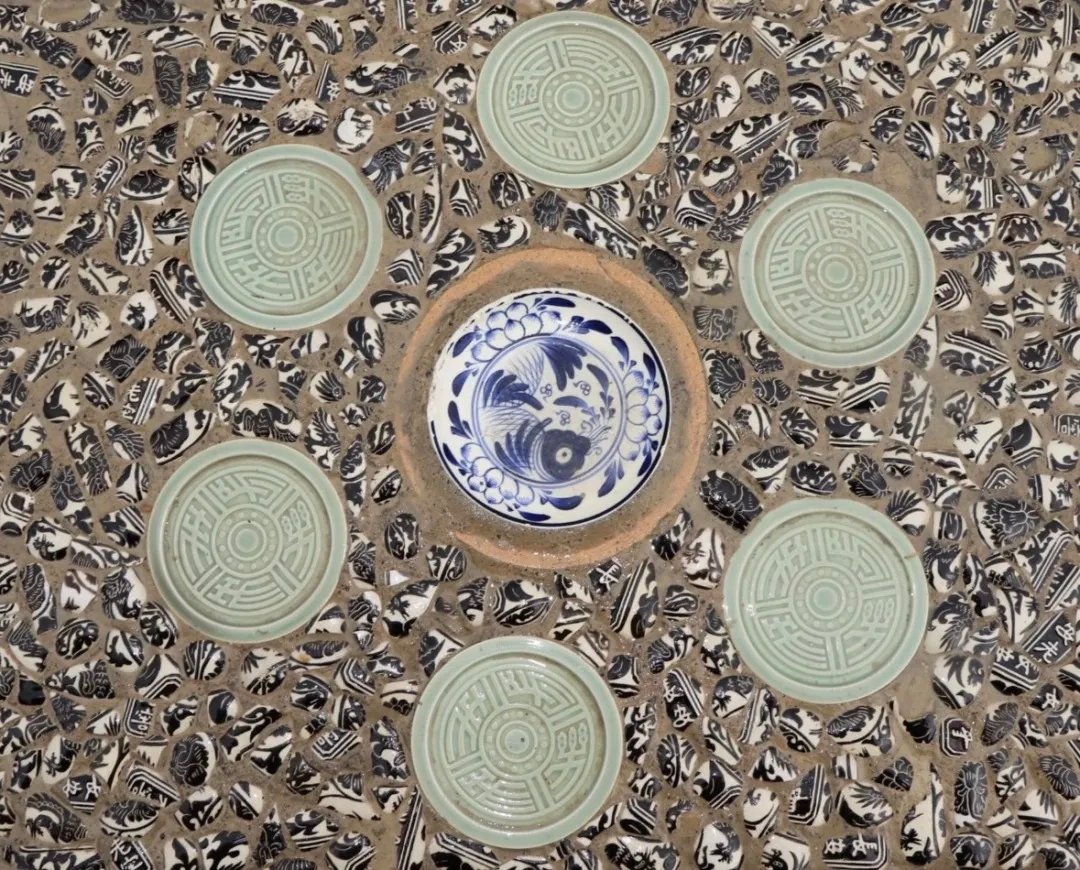
In Chenlu, ceramics are not separated from the place where they are made. Kilns, workshops, homes and everyday life have grown alongside one another for generations.
Making here is not a reenactment of history. It remains a living practice.
Learned Through Making.
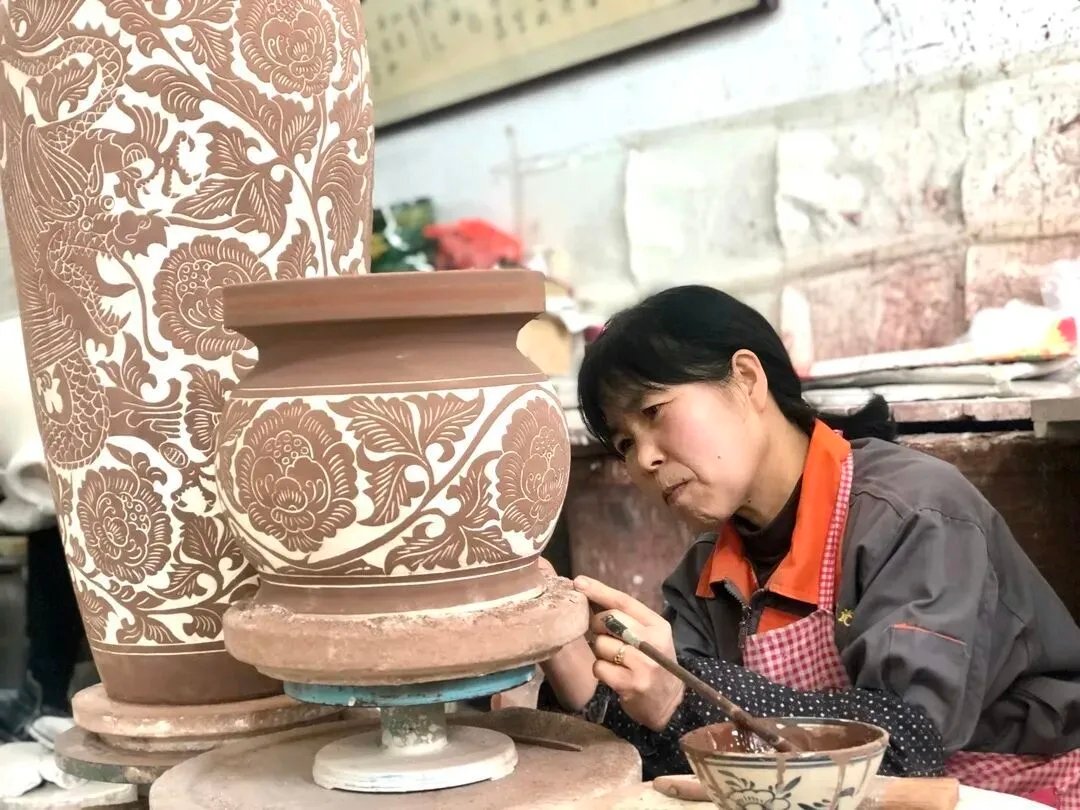
Much of ceramic knowledge is difficult to separate from practice. It lives in the way clay is handled, surfaces are judged, forms are adjusted and firing decisions are made.
That knowledge is accumulated through repetition — passed from hand to hand, then tested again in the kiln.
Tradition Must Keep Moving.
We do not believe tradition survives by remaining unchanged. It survives by continuing to be made, used and reconsidered.
Our role is to bring the working knowledge of Chenlu into ceramics developed for contemporary hospitality, tea, design and cultural projects.
About Chenlu
Ideas,
Developed in Clay.
Selected commissions, studio studies and material explorations showing how ideas move from initial direction through development and into finished form.
A Collection Shaped
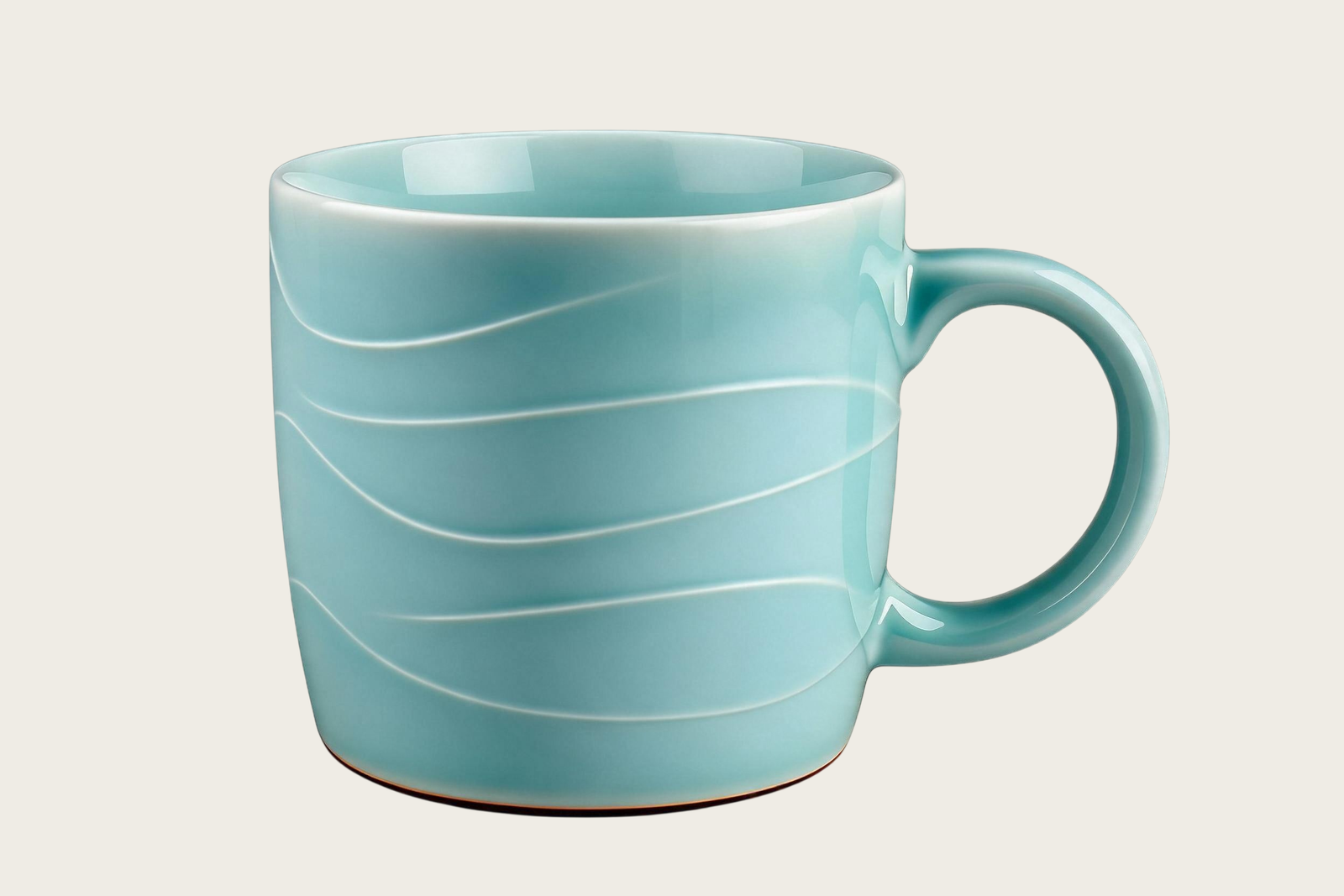
Around a Project.
A selected commission showing how form, surface and presentation can be developed around a particular identity, function and context.
View Work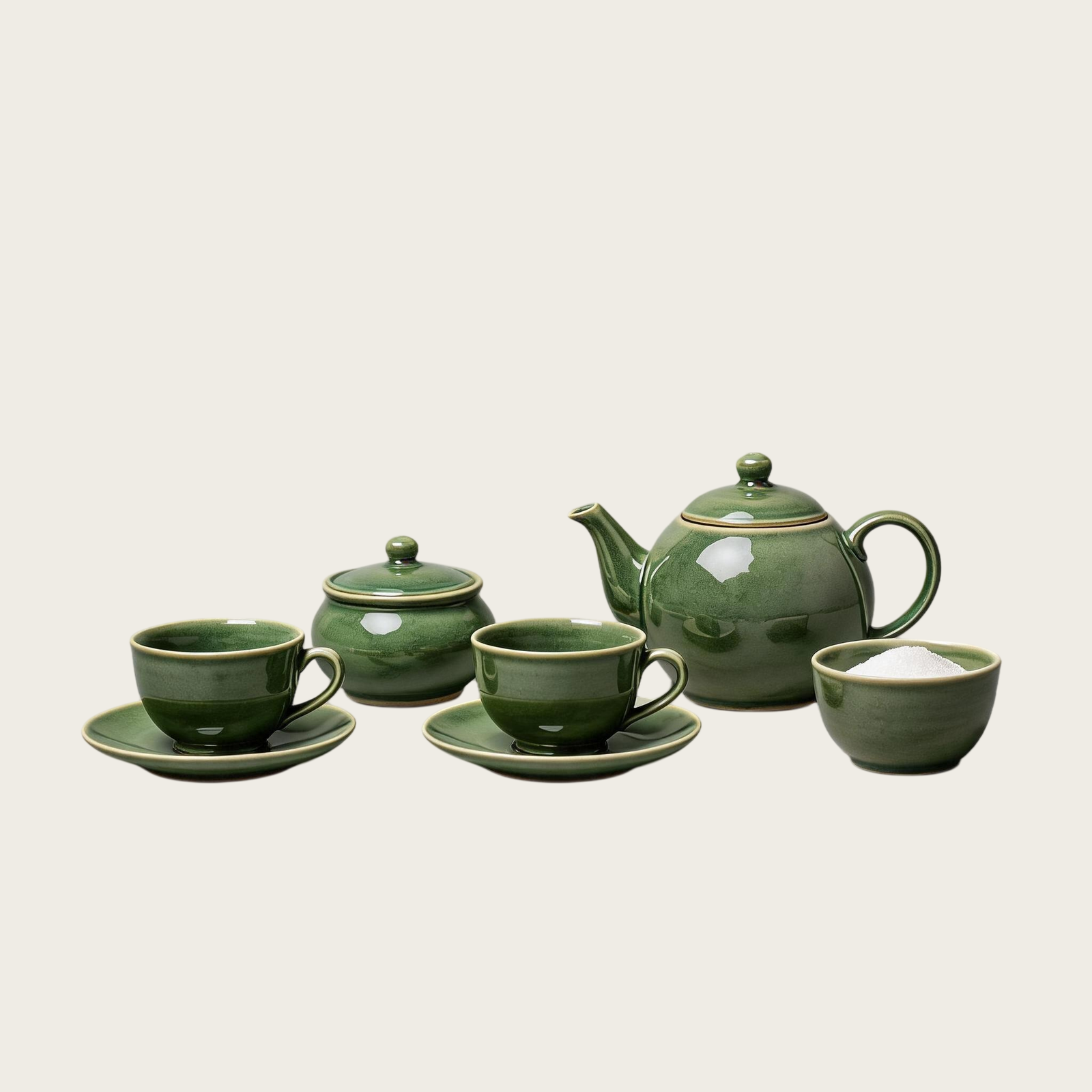
Tea Service Study No. 01
An exploration of proportion, pouring, handling and the relationship between individual forms within a complete tea service.
View Study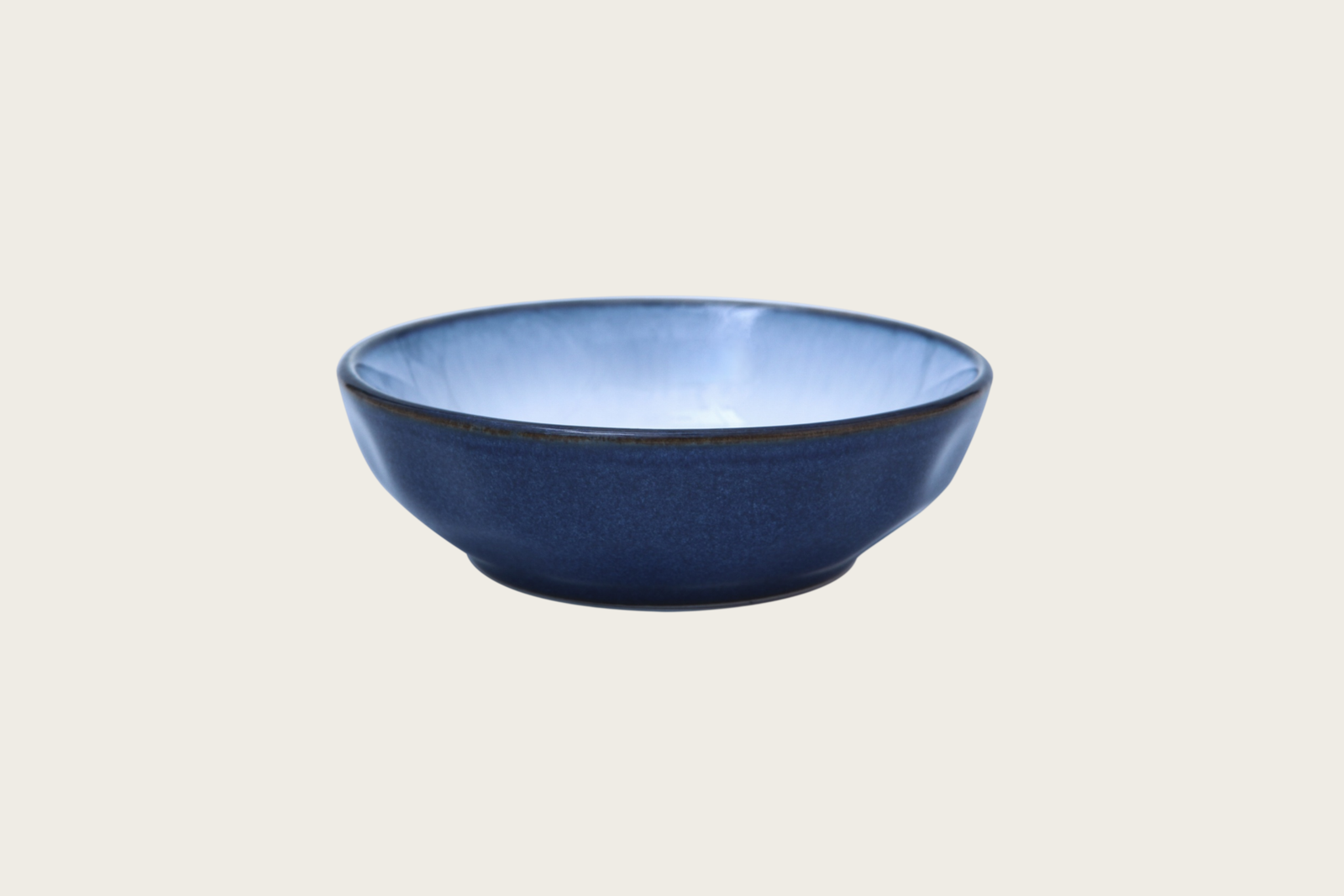
Surface Study No. 01
An exploration of glaze, firing and surface variation developed as a material reference for future ceramic directions.
View Study
From Existing Forms
to Original Development.
Start with an existing Chenlu form, adapt it around your project, or work with us to develop a new ceramic direction.
Begin With
Existing Forms.
Choose from established Chenlu forms and available surfaces for a more direct path toward production.
Develop Around
the Project.
Refine an existing direction through dimensions, surface, glaze, branding or packaging to suit the requirements of the project.
Create a
New Direction.
Develop new forms or ceramic families through prototyping, material exploration and approval before production.
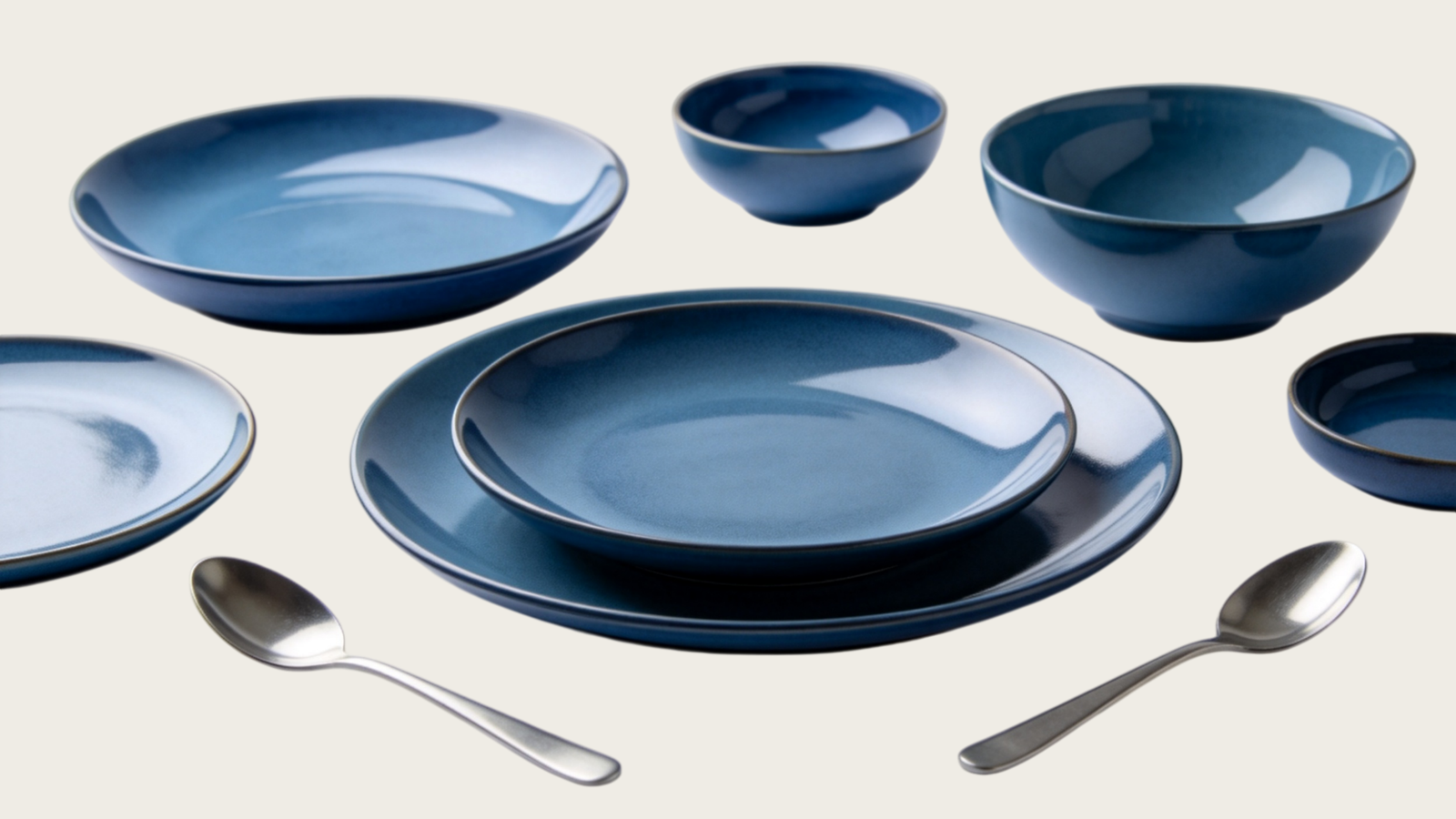
Begin With the
Right Starting Point.
Whether the project begins with an existing form or a new direction, we can help identify the most practical development path.
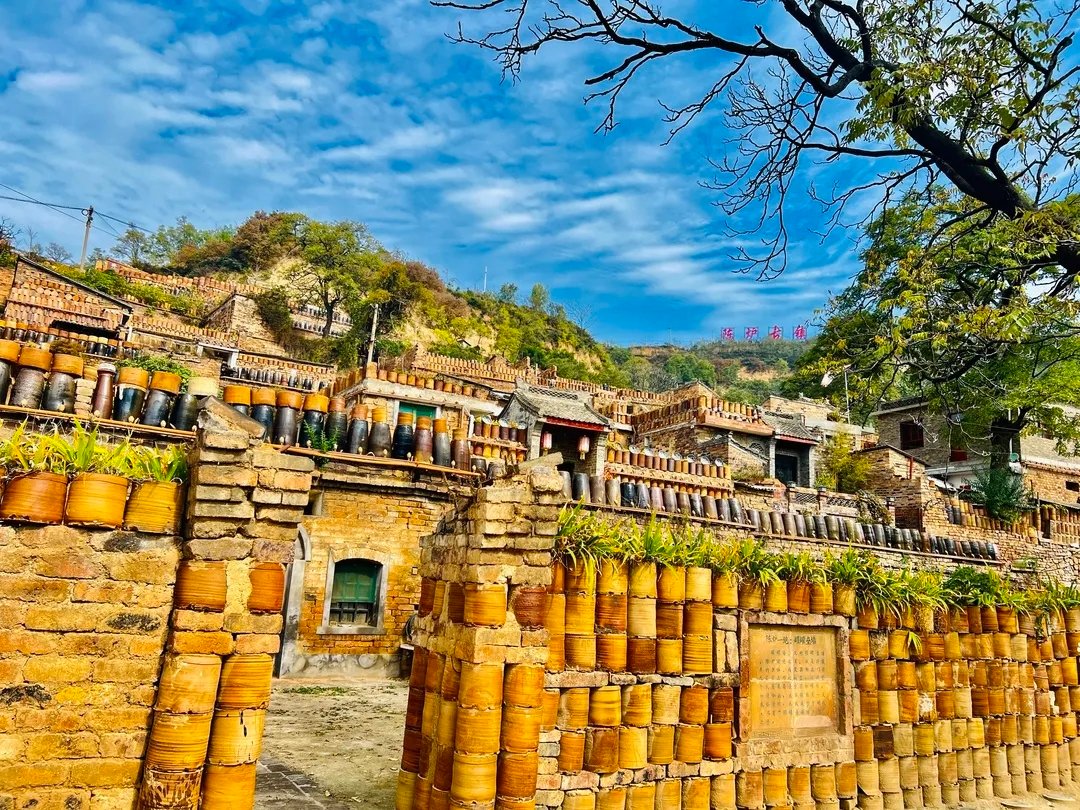
A Living
Kiln Town.
Chenlu is more than where our ceramics are made. Its landscape, workshops, makers and accumulated knowledge continue to shape how ceramics are understood and made here.
Tell Us What
You’re Developing.
Whether you are sourcing existing forms, adapting a ceramic direction or developing a new collection, tell us about the project, quantities and requirements you are considering.
We’ll help identify the most practical starting point.